Bee Safe Bee Removal offers licensed, insured, beekeeper-led live bee and wasp removal across Miami-Dade, prioritizing humane relocation and complete hive cleanup to prevent reentry. The page explains why prompt professional service matters in South Florida (including African honey bees and state guidelines), outlines a clear step-by-step process, and provides transparent pricing from $199–$999+. Services cover honey bee, swarm, wall/soffit hive removals, and wasp/yellow jacket control for residential and commercial properties. Free estimates, fast scheduling, and broad coverage of Miami neighborhoods and nearby cities support local search needs.
If you have bees gathering around a wall, roofline, soffit, tree, shed, or commercial property, you need more than a quick spray. You need a beekeeper-led solution that removes the colony, addresses the comb, and helps reduce the chance of future reentry. Bee Safe Bee Removal provides live bee removal in Miami, FL with a humane, property-conscious approach for homes and businesses throughout Miami-Dade.
Live Bee Removal in Miami Done the Right Way
Bees are too important to treat like ordinary pests. According to the U.S. Department of Agriculture, animal pollinators support about 35% of global food crop production and contribute to roughly one out of every three bites of food people eat. In Florida, the Florida Department of Agriculture and Consumer Services also regulates live honey bee removal and requires beekeepers hired for live removals to be registered with the state.
That is why this Miami page focuses on safe relocation, proper hive handling, and cleanup instead of generic pest language. In South Florida, fast professional service matters even more because the University of Florida explains that African honey bees are established throughout the southern half of the state, and colonies near people or pets should be handled professionally rather than ignored or approached as a DIY project.
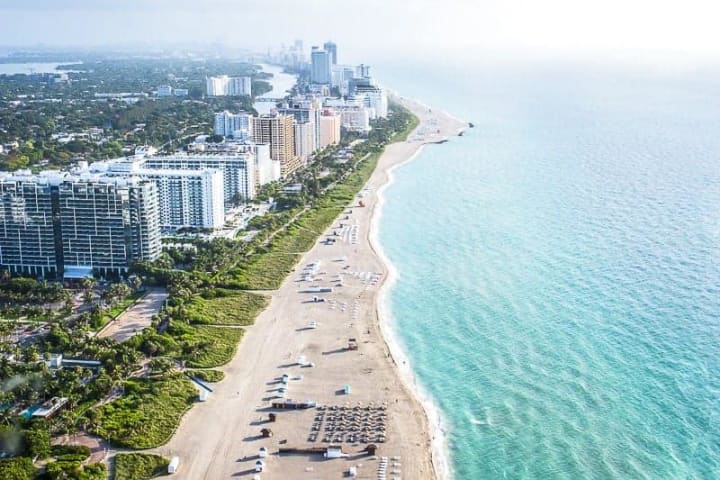
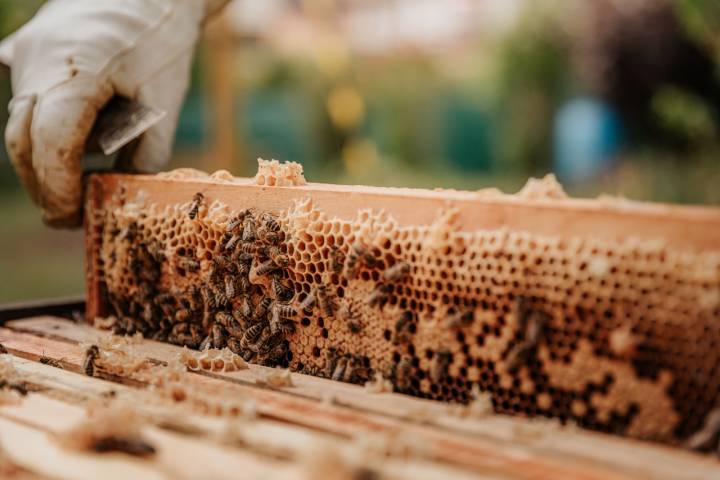
Why Miami Property Owners Choose Bee Safe Bee Removal
Bee Safe Bee Removal stands out because the work is performed with a beekeeper-led mindset. The company emphasizes live relocation whenever possible, clear communication, and service designed around both safety and conservation.
- Licensed, insured, and beekeeper-led service
- Humane live bee removal whenever conditions allow
- Complete hive cleanup thinking, not just removing visible bees
- Residential and commercial coverage across Miami-Dade
- Free estimates and fast scheduling
- Supportive local trust pages like About Us, Reviews, and Portfolio
Customers looking for a company with broader Florida coverage can also explore Bee Safe’s service areas.
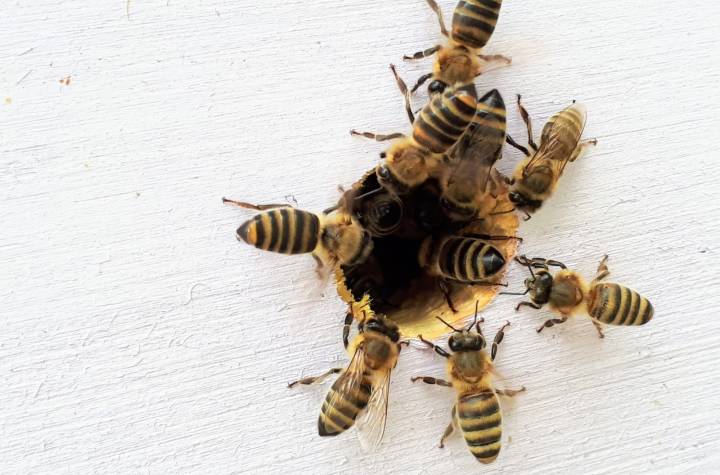
Bee Removal Services in Miami
Honey Bee Removal
When honey bees settle into a wall, soffit, roofline, fence, shed, or tree, the job requires more than moving the visible insects. Proper removal should account for the colony, comb, honey, scent trails, and the conditions that could attract another swarm later. Learn more on the main Bee Removal service page.
Swarm Removal
A cluster of bees hanging from a branch, shrub, entryway, or exterior surface may be a swarm searching for a permanent nesting site. Swarms can sometimes appear calm, but they should still be assessed quickly before they move into a structure. Customers who want to understand the difference can read What Is a Bee Swarm?.
Wall, Roofline, and Soffit Hive Removal
Established colonies inside structural voids require careful access, professional removal, and proper cleanup. UF/IFAS guidance explains that leaving comb, brood, pollen, or honey behind can lead to odors, staining, ants, roaches, beetles, flies, and future bee activity. That is why complete hive cleanup matters so much in Miami homes, condos, offices, and commercial buildings.
Wasp, Hornet, and Yellow Jacket Control
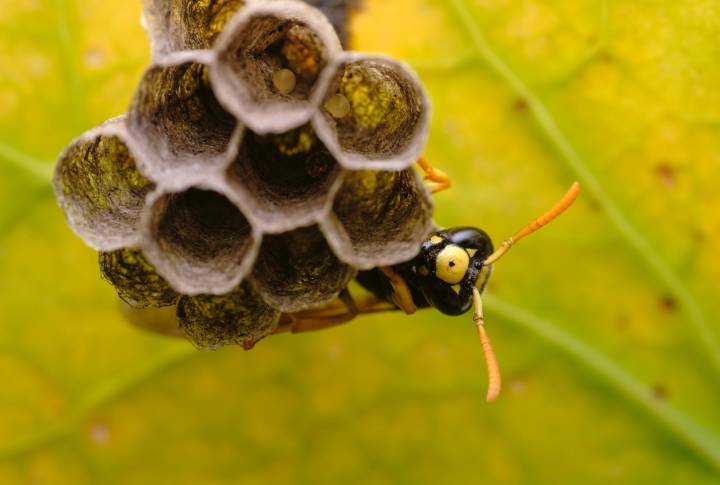
Not every stinging insect problem in Miami is a honey bee colony. Bee Safe also provides wasp nest removal and helps customers identify other stinging insects with resources like Common Locations for Wasp Nests at Your Home or Business and Is It a Yellow Jacket?.
Our Miami Live Bee Removal Process
1. Fast Assessment
Customers can send photos or explain where the bees are entering so the team can understand the situation and provide a free estimate.
2. Locate the Colony
If bees are entering through stucco, block walls, soffits, fascia, vents, or rooflines, the next step is identifying the actual nesting area before opening anything. UF/IFAS best-practice guidance for Florida live removals emphasizes accurate nest location and access planning.
3. Remove the Bees and the Comb
This is where professional work matters most. Removing only the visible bees is often not enough. The colony and hive material have to be addressed so the structure is not left with wax, honey, brood, or attractive scent markers.
4. Clean Up and Reduce Reentry Risk
Cleanup is one of the most important differences between complete service and shortcut service. UF/IFAS warns that abandoned nest material can attract secondary pests and future swarms. Depending on the site, cleanup may also help reduce odors, staining, and other property issues.
5. Relocate the Bees When Appropriate
When live removal is suitable, the bees are relocated rather than exterminated. That matches Bee Safe’s environmental approach and supports the ecological value of pollinators while still protecting people and property.
Get a free estimate with just one click!
We are eco-friendly, fast and affordable. All of our inspections are 100% free. Our expert removal teams do whats best for you and the environment. That is why our customers love us. Call now to book your appointment today.
Call Now!