Bees or wasps buzzing around your roofline, soffit, or backyard in Dallas? Don’t wait for stings or damage to your home. Bee Safe Bee Removal is a team of licensed, insured, and bonded beekeepers with decades of experience providing humane bee and wasp removal across North Texas.
We’re based right here in Dallas, TX and are proud to call this city home while serving homeowners, HOAs, businesses, and municipalities throughout the Dallas–Fort Worth metroplex.
Same-day or next-day service is often available, especially for active swarms and emergency situations. We always prioritize live honey bee removal and relocation whenever it’s safe to do so, and use targeted treatments for aggressive wasps, hornets, and yellow jackets.
Learn more about our services and company:
- Eco-friendly bee removal services
- Wasp nest removal & wasp control
- Beekeeping & live relocation
- Carpenter bee information & removal
- About Bee Safe Bee Removal
- Reviews & testimonials
- Contact our Dallas office
- Texas service areas
Trusted Bee & Wasp Removal Specialists in Dallas, TX
Dallas’ long, hot summers and mild winters give bees and wasps a long season to build colonies in roof cavities, soffits, chimneys, brick columns, fence posts, and trees. We routinely remove hives from neighborhoods like Highland Park, University Park, Lakewood, Preston Hollow, Oak Cliff, North Dallas, East Dallas, Lake Highlands, and Uptown, along with suburbs across Dallas, Collin, Denton, and Tarrant counties.
Bee Safe Bee Removal brings several advantages to Dallas property owners:
- Licensed, insured, and bonded beekeepers – not just general pest technicians.
- Decades of local experience handling everything from small swarms to large, long-established hives.
- BBB-accredited business with years in operation and a documented service history.
- A strong track record of 5-star reviews, including complex removals plus structural repairs.
- Eco-friendly, bee-first philosophy, with bees relocated to managed apiaries or trusted local beekeepers whenever possible.
If you’re searching for “bee removal Dallas” or “wasp extermination near me,” our local beekeepers are ready to help.
Why Safe Bee Removal Matters in Dallas
Bees aren’t just another pest – they’re critical to our food supply and North Texas ecosystems. The U.S. Department of Agriculture has estimated that animal pollinators like bees support roughly a third of the food crops humans consume, often summarized as one out of every three bites of food we eat (U.S. Department of Agriculture, n.d.).
The Food and Agriculture Organization of the United Nations describes pollinators as an essential ecosystem service that directly supports crop yields and quality while linking natural landscapes and agriculture (Food and Agriculture Organization of the United Nations, n.d.).
At the same time, unmanaged bee or wasp colonies around your home can be dangerous:
- Medical experts note that while most stings cause mild swelling and pain, severe allergic reactions (anaphylaxis) can be life-threatening and require emergency care (Mayo Clinic, 2024).
- Africanized honey bees, which are established in Texas, can respond more aggressively when their colony is disturbed, making DIY removal particularly risky (Texas A&M AgriLife Extension, 2016).
- Texas guidance recommends that nests inside walls and structures be handled by licensed professionals, both for safety and to avoid hidden structural damage (Texas A&M AgriLife Extension, 2016).
That’s why Bee Safe Bee Removal focuses on live, humane removal whenever possible, backed by the right safety gear, training, and insurance.
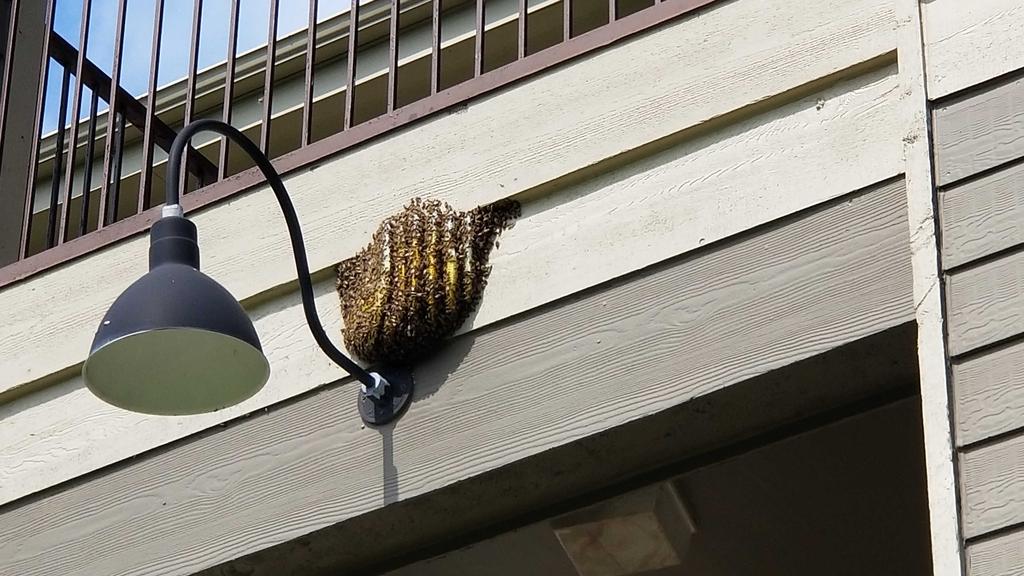
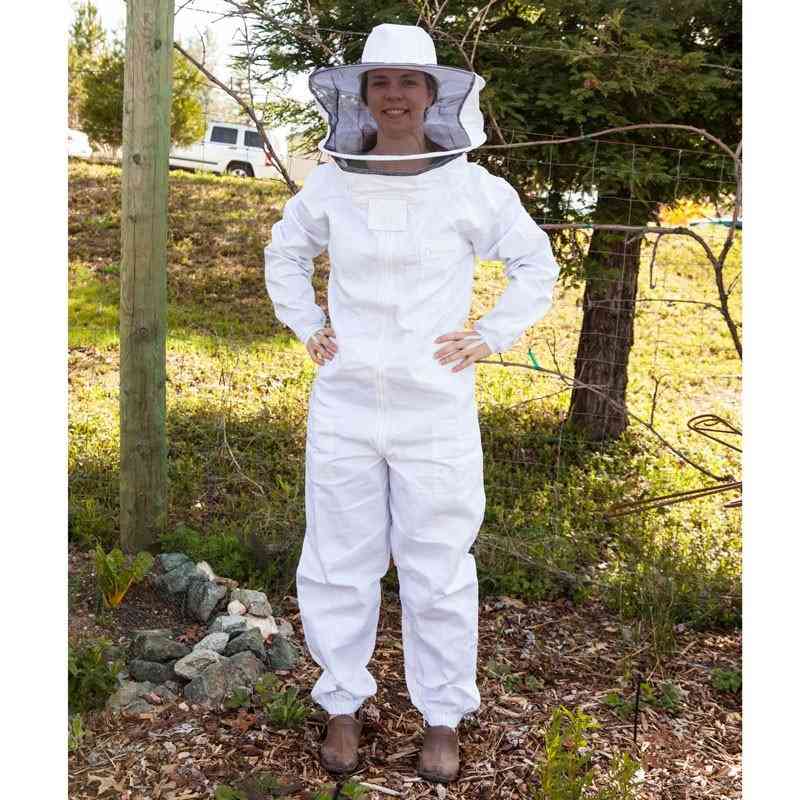
Our Eco-Friendly Live Bee Removal & Relocation Process
Every property in Dallas is different, but our core approach stays the same:
1. Free Phone Estimate & Photo Review
- When you call, our team will ask about the location, height, and duration of the activity and may request photos or video when possible.
- This lets us give you a realistic price range before dispatch, similar to our process in other Texas cities.
2. On-Site Inspection & Species Identification
- We determine whether you’re dealing with honey bees, Africanized honey bees, carpenter bees, paper wasps, yellow jackets, hornets, or cicada killers.
- We then recommend the safest option: live removal and relocation for bees, or targeted extermination for aggressive wasps and hornets.
3. Gentle Live Removal (for Honey Bees)
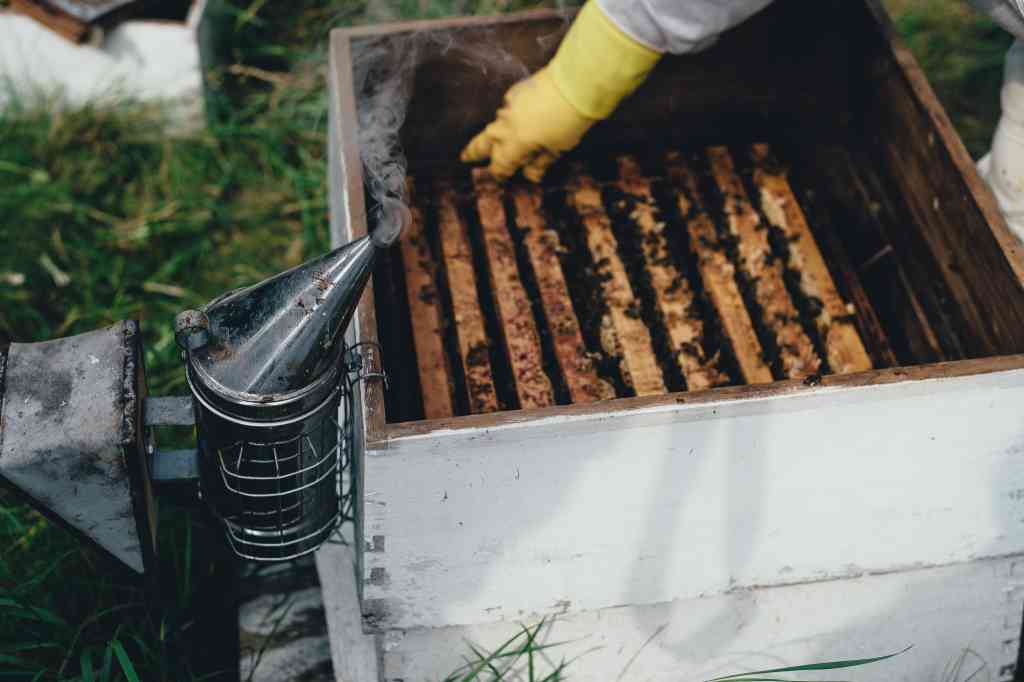
- Our Dallas beekeepers use bee vacuums, hive boxes, and specialized tools to collect bees without crushing or poisoning them.
- We carefully remove enough comb for the colony to survive after relocation.
4. Complete Hive & Comb Removal
Leaving wax and honey inside a wall or roof can cause:
- Recurring infestations
- Fermenting honey, stains, and odors
- Secondary pests like ants, roaches, and rodents
Our team removes accessible comb, cleans the cavity, and prepares the area for repair.
5. Repair & Sealing (When Needed)
- When we cut into soffits, ceilings, siding, or brick, we can coordinate repairs to leave your home looking clean and structurally sound.
- We also seal major entry points to reduce the chance of a new swarm re-occupying the space.
6. Relocation to Managed Apiaries
- Rescued bees are transported to Bee Safe apiaries or partner beekeepers in North Texas and beyond, where they can continue pollinating and producing honey instead of being exterminated.
Bee & Wasp Removal Services in Dallas
We provide full-service bee and wasp control for homes, apartments, churches, restaurants, warehouses, schools, and municipal properties throughout Dallas.
Honey Bee Removal & Hive Relocation
- Swarm capture from trees, fences, bushes, and structures
- Removal of established hives from walls, soffits, attics, roofs, chimneys, columns, sheds, and trees
- Honeycomb removal, cleanup, and deodorization
- Structural cutouts with repair options
Learn more about our statewide approach on our main bee removal services page.
Wasp, Hornet & Yellow Jacket Nest Removal
Wasps and hornets are far more aggressive than honey bees and can sting multiple times, which is why our Dallas team provides specialized control for:
- Paper wasp nests on eaves, balconies, patios, and play areas
- Yellow jacket nests in wall voids, ground cavities, and landscaping
- Hornet nests high in trees and rooflines
- Cicada killer wasps in lawns and landscape beds
Our wasp nest removal service uses focused treatments on the nest — not broad, unnecessary spraying — keeping your family, pets, and landscaping safer.
Carpenter Bee Control & Wood Damage Prevention
Carpenter bees don’t build large hives; they drill galleries into wood — often deck beams, pergolas, fascia, trim, and porch ceilings. Over time, this can weaken wood and attract woodpeckers.
Our carpenter bee services in Dallas include:
- Inspection of wooden structures for existing galleries and frass
- Targeted treatment where necessary
- Recommendations for filling, sealing, and painting damaged areas
- Guidance on balancing bee conservation with protection of your structure
You can read more on our dedicated carpenter bee page.
Bee-Proofing & Long-Term Prevention
Stopping infestations before they start is often the most cost-effective approach, especially in older Dallas homes with gaps around soffits and utility penetrations.
Our bee-proofing services include:
- Detailed inspection of your home or building exterior
- Identification of high-risk entry points along rooflines, vents, chimneys, siding joints, and foundation cracks
- Sealing and exclusion using professional-grade materials
- Optional annual renewal for continued protection
Ask our team about bee-proofing when you call for a quote.
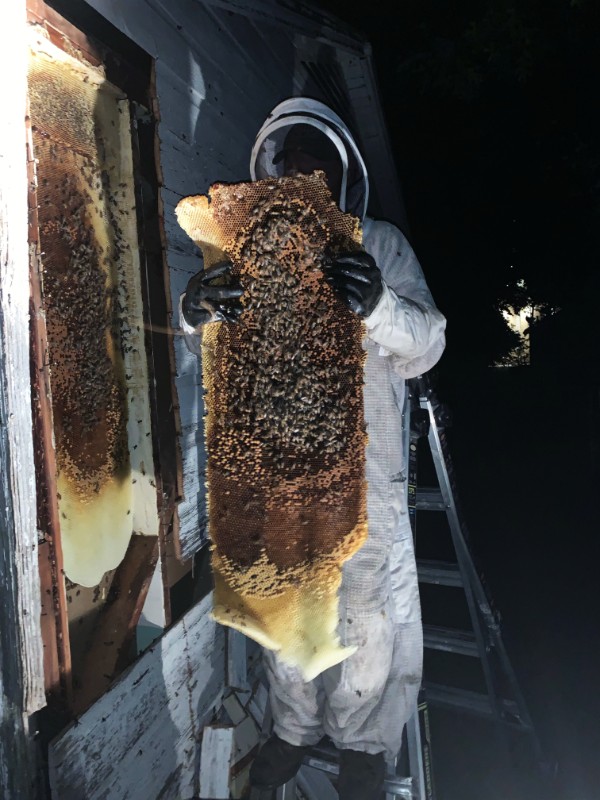
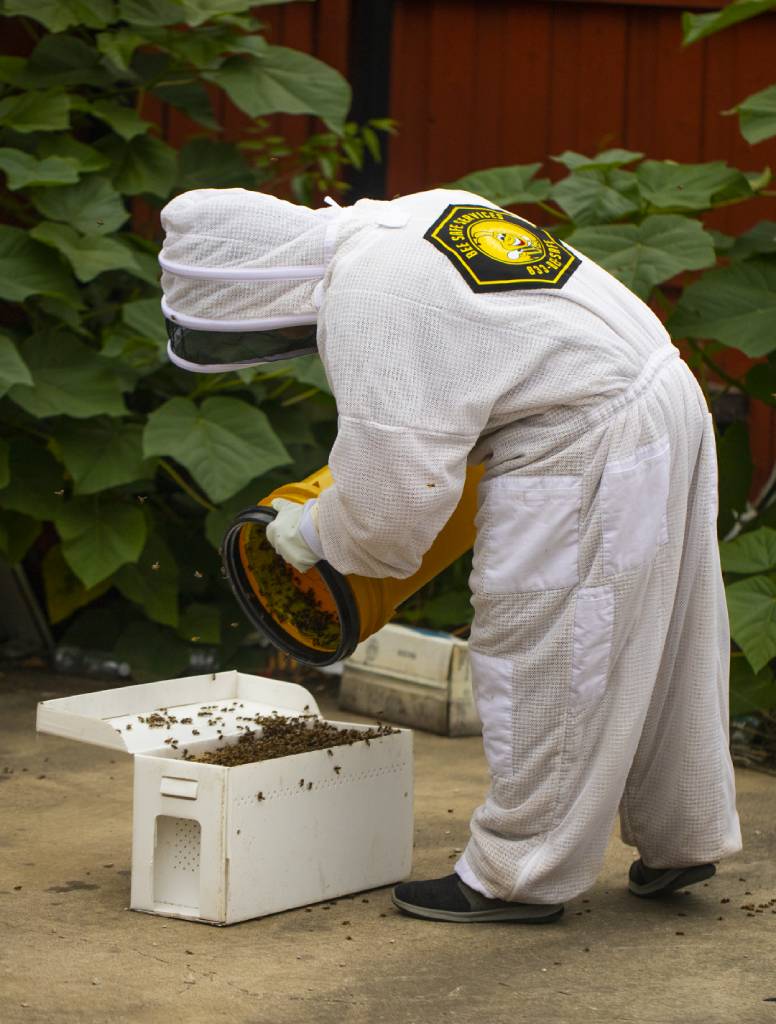
Real-World Bee Removal in Dallas (Case Example)
On a recent job off Bretton Creek Court in Dallas (75220), a family noticed steady bee traffic along their roofline. Our Dallas beekeeper:
- Used thermal imaging to pinpoint a large hive hidden in the roof cavity
- Carefully opened the structure and performed a live removal, capturing an estimated 15,000 honey bees
- Removed the hive and comb, cleaned the cavity, and re-insulated and sealed the roof using matching materials
- Relocated the rescued bees to a managed apiary where they could continue pollinating instead of being destroyed
The homeowner ended up with a safe, bee-free home and the peace of mind that the bees were saved — not sprayed.
How Much Does Bee Removal Cost in Dallas?
Every situation is different, but most bee and wasp removal jobs in Dallas fall roughly between $199 and $999+. Some large, high-risk, or complex structural jobs may exceed this range, but many straightforward removals stay toward the lower end.
Key factors that influence the price:
-
Location & accessibility of the hive or nest
- Ground-level swarms on a fence or low tree branch are faster and more affordable.
- Hives inside walls, soffits, chimneys, or high roofs require more time, equipment, and repair work.
-
Size & age of the colony
- A small swarm that just landed today is quick to relocate.
- A colony that has lived inside your wall for years may have extensive comb and honey that must be removed to prevent leaks and future infestations.
-
Type of insect
- Honey bee removals with relocation generally take longer but preserve the colony.
- Wasp, hornet, and yellow jacket treatments may require specialized safety measures and follow-up visits.
-
Repair & bee-proofing needs
- If we open up siding, roofs, or interior walls, we’ll discuss repair options and pricing up front.
- Optional bee-proofing for long-term prevention can be bundled for additional savings.
Our goal is to be more cost-effective than DIY or general pest control in the long run. By removing bees humanely and taking out the comb, we help you avoid repeat infestations, honey leaks and structural damage, and extra repair and medical costs tied to failed DIY attempts.
Here are some recent removals we have done.
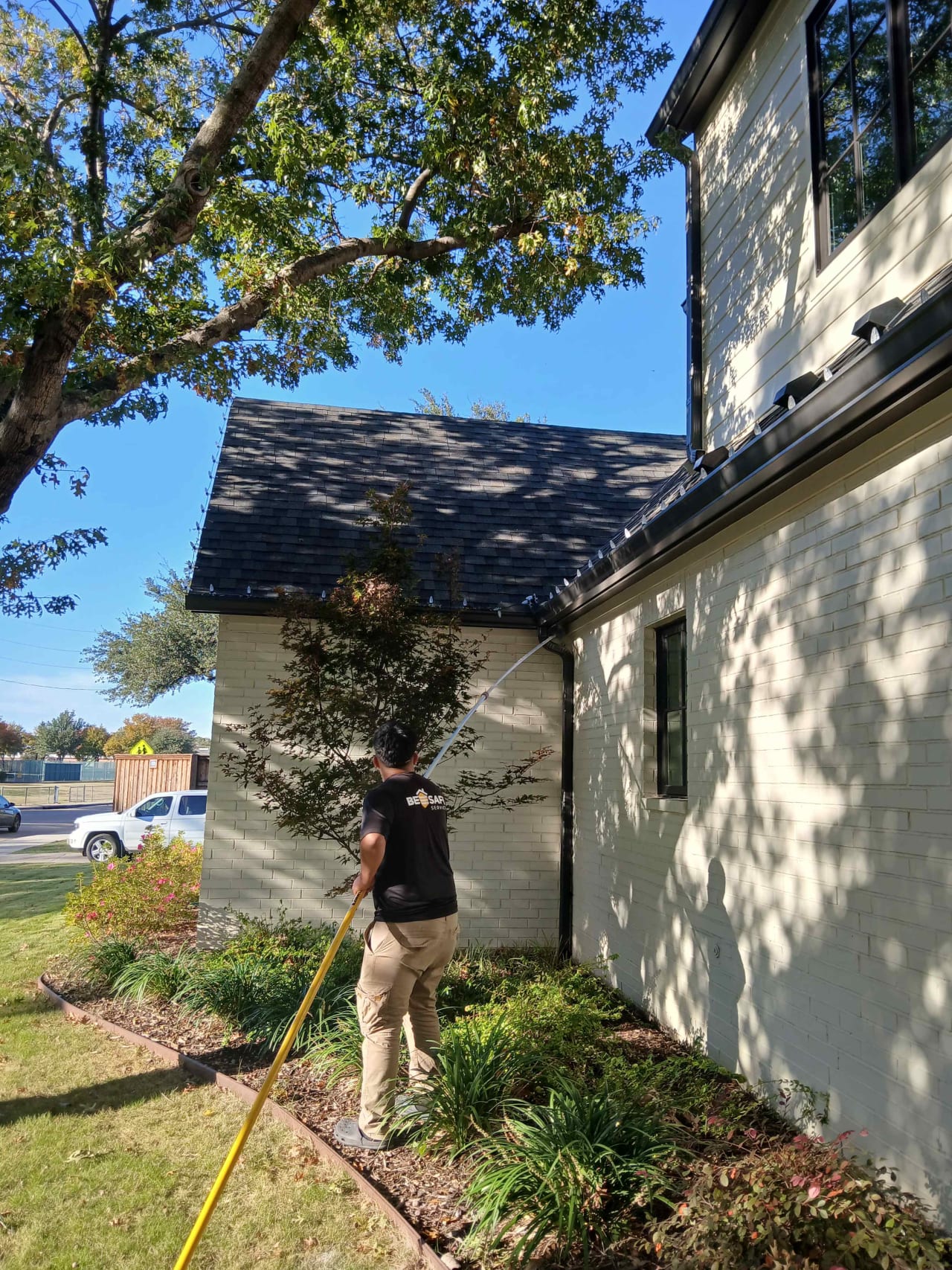
Biannual Preventative Bee Treatment in North Dallas, TX
On October 8, 2026, our Bee Safe Bee Removal team completed a biannual preventative bee treatment at...
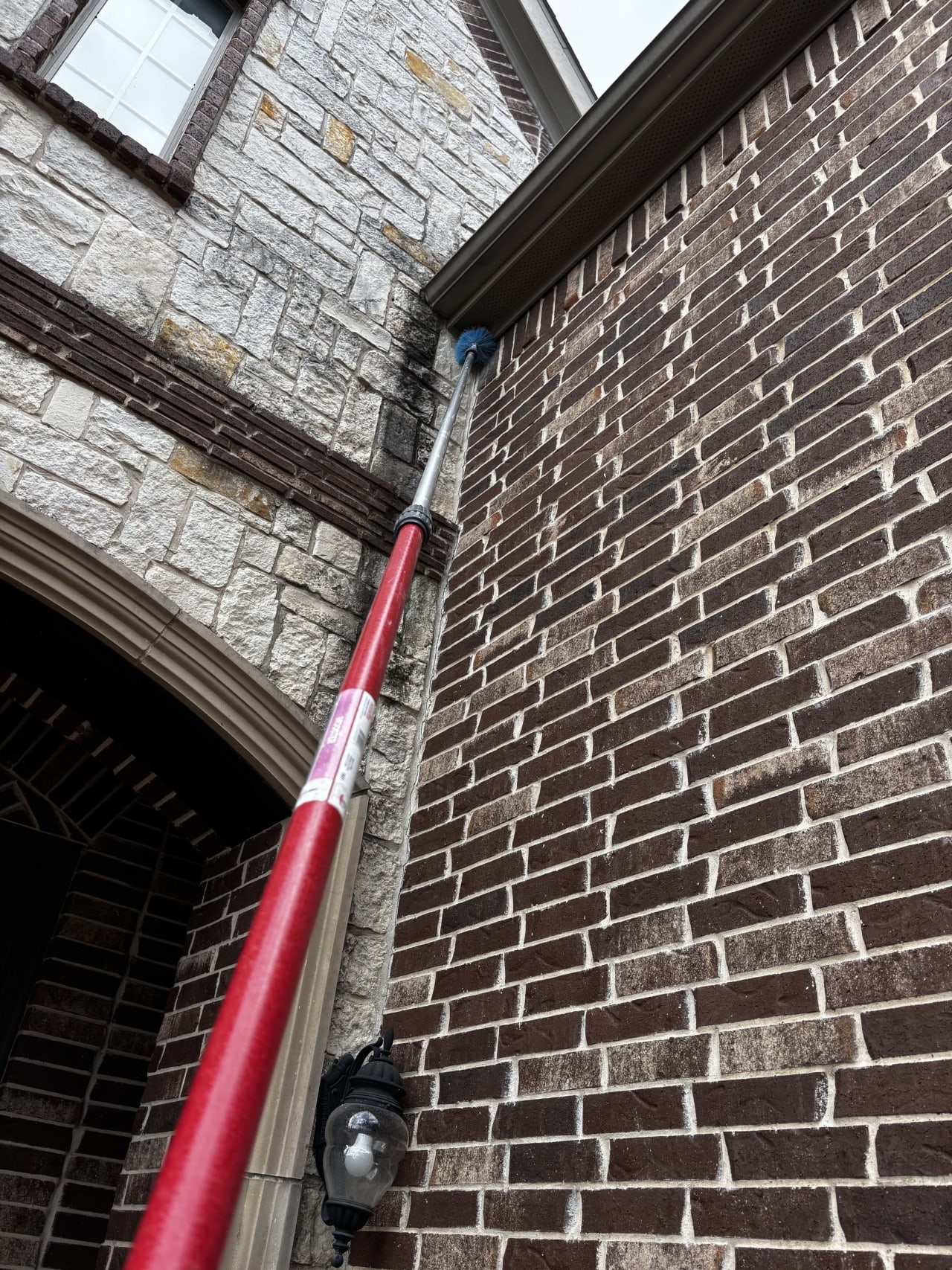
Biannual Preventative Bee Treatment in Coppell, TX
On October 1, 2026, our Bee Safe Bee Removal team completed a biannual preventative bee treatment at...
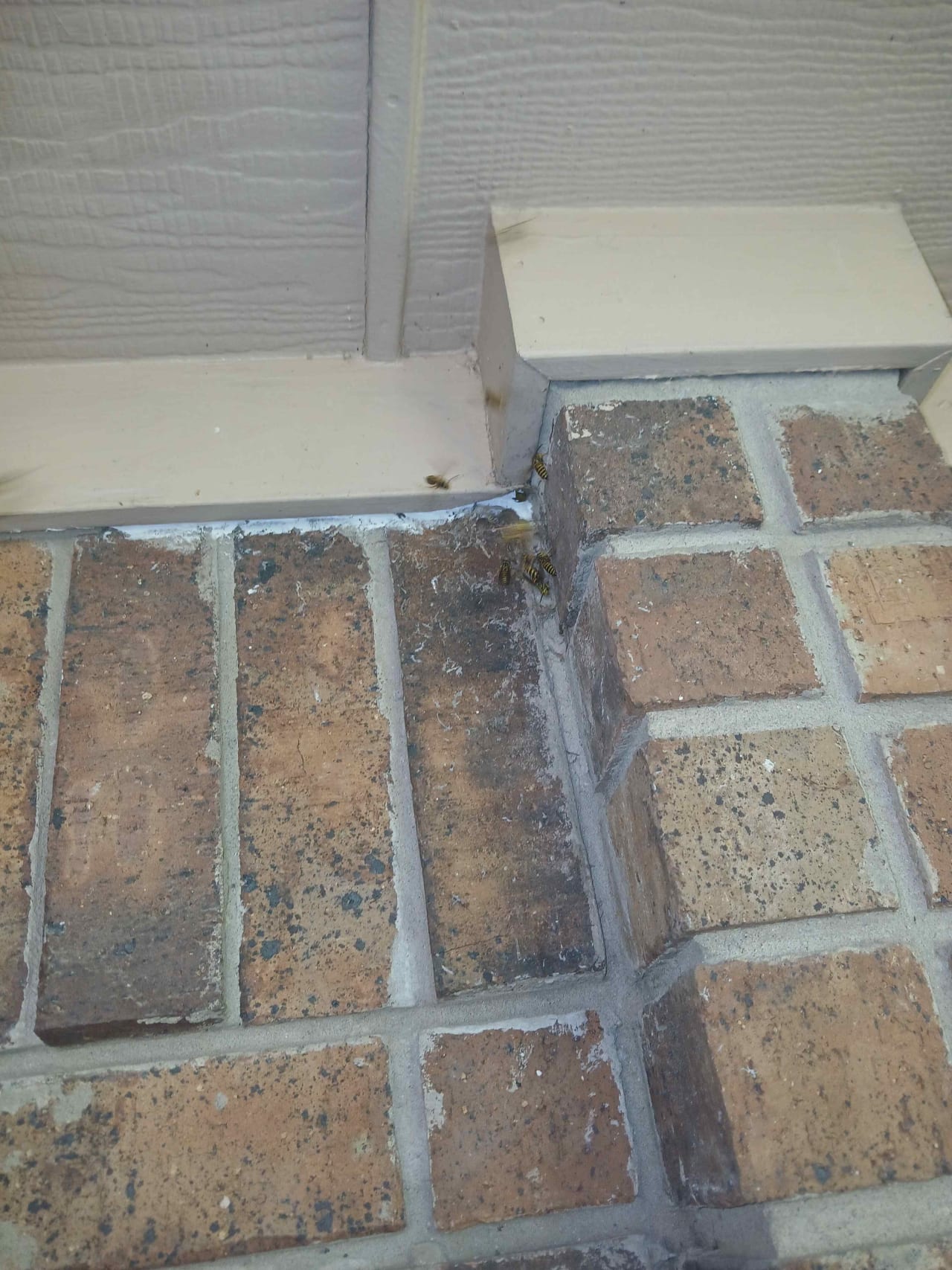
Bee Removal from a Wall in Richardson, TX
On October 31, 2025, our Bee Safe Bee Removal team completed a bee removal service at a residential ...
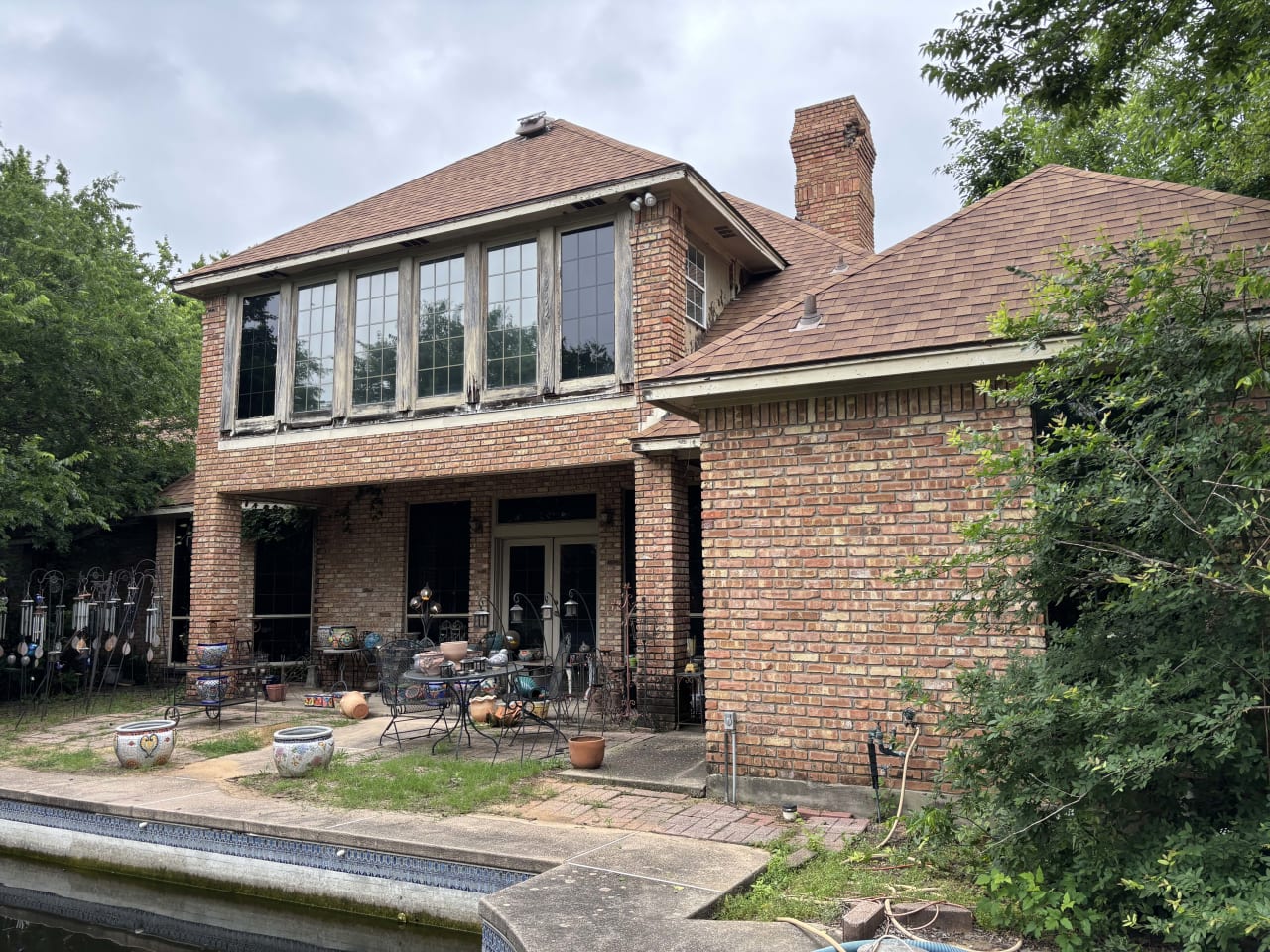
Biannual Preventative Bee Treatment in Sunnyvale, TX – Bees Found Inside Home Structure
On May 19, 2025, our Bee Safe Bee Removal team completed a professional biannual preventative bee tr...
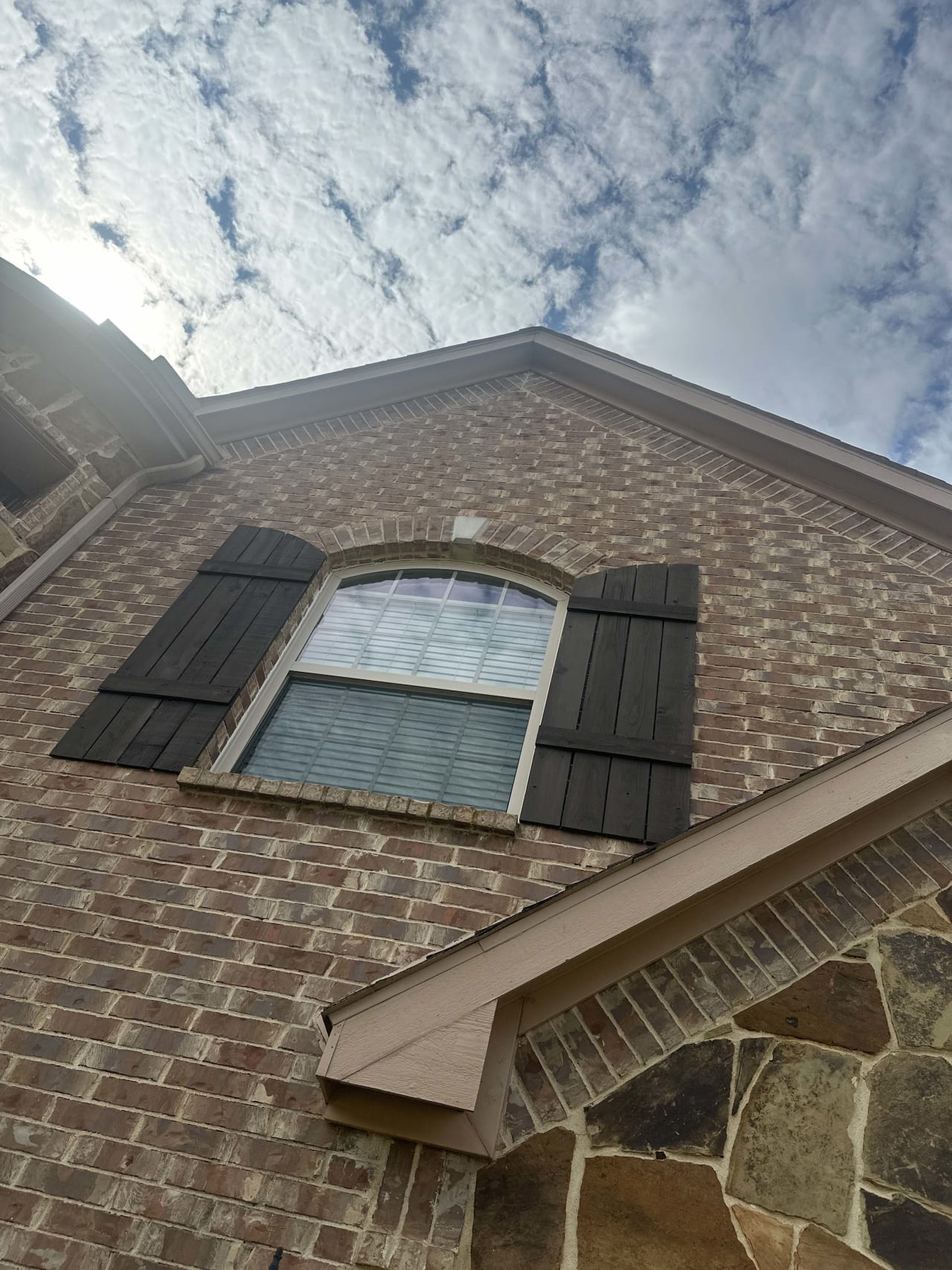
Biannual Preventative Bee and Wasp Treatment in Grand Prairie, TX – Nest Activity Around Home Eaves
On August 30, 2024, our Bee Safe Bee Removal team completed a professional biannual preventative tre...
Honey bees are nature's pollinators and a crucial part of our environment, which is what makes their recent population decline so important. The most commonly known cause for this is the use of pesticides to drive them out of unsuitable places, like people's home or business. There are other ways, however, that you can rid yourself of your bee infestation without killing the hive.
At Bee Safe Bee Removal, our professionally trained beekeepers will safely relocate the bees without harming them or posing any risk to your property.
Having a beehive on your property can not only pose a life-threatening risk to you or your family, especially if there is someone who is allergic to their stings, but it can also pose a risk to the structure of your home or business. This is why it is very important to contact a professional beekeeper as soon as you see any bee activity on your property so they can be removed before they become a huge problem. If bees decide to build a hive inside the structure of your property, the melted wax and honey will attract other unwanted pests as well as destroy your building structure.
At Bee Safe Bee Removal, our bee removal technicians will use state-of-the-art thermal devices to detect where the beehive is located. From there, they will present you with various affordable options you can choose to remove the bees depending on your price point. The beekeeper will then use professional gear to safely remove your bee infestation without any harm to you or your property.
After bee removal, any honey leftover is yours to keep! It's important to remember never to attempt a beehive removal on your own as one hive can house up to fifty thousand bees. Numerous bee stings can be dangerous so it's always the best choice to work with a professional pest control company or beekeeper to aid you in removing your bee infestation safely and efficiently.
At Bee Safe Bee Removal, we use various safe and humane methods for the removal of beehives that are completely harmless to bees and to your property. Give us a call today at (833) 233-7233, we offer same-day bee removal.
Paying a professional bee removal service to remove bees from your home or business can save you so much more money than attempting the do it yourself approach.
At Bee Safe Bee Removal, our professional beekeepers will not only protect you during the removal process but the bees as well, who are relocated to a safer place where they can continue to pollinate and contribute to our environment.
Attempting to remove a beehive yourself will not only cost you money in collecting the proper safety and removal gear, but can also lead to unplanned hospital bills if you're allergic or stung too many times. Not only is the do it yourself process a risk to your health, it's also a risk to your property, especially if you don't know what you're doing.
Contacting our bee experts at Bee Safe Bee Removal will not only save you more money than the do it yourself bee removal approach, it will also protect you, your loved ones, and your home or business. Key factors affecting the cost of a bee removal:
-
Location of the beehive There are many factors that contribute to the cost range of removing a hive from your property, the first one being where the hive is located. Our expert beekeepers will use state of the art thermal imaging to locate the beehive on your property. The easier our pest control professionals can get to the bees, the more affordable the job will be.
Likewise, if the bees are in a difficult location to reach, such as in a high tree, behind siding, or inside the walls of your property, then the price will understandably be higher. It is also important to note that local laws may consider bees in a home's structure to be a health and safety issue and should be removed quickly to avoid legal complications.
-
Number of bees in the hive Another factor that determines the cost is the size of bee infestation and how many bees are housed inside the hive. Honey bees like to build their colonies inside or on structures, including your house or yard. Bumble bees prefer to build their hive in the ground and carpenter bees like to burrow into wood structures.
The number of bees affects the price in that one hive could potentially house up to fifty thousand bees, which would take time to remove. Once the bees are located, our beekeeper will present you with different removal options. Removing bees may include cutting holes into the wall or ceiling of your structure as well as repairing it after the bees and hive are removed.
If our bee removal team finds a dead hive inside the structure of your home or business, they will not only have to remove the hive, dead bees, and honey dripping, they might also have to remove any other pests that were attracted to the honey and the damaged structure around that.
-
Swarm vs. Hive If the bees have not made their nest inside your property and are simply swarming outside, our beekeepers would smoke the bees inside an apiary box and relocated them to a safer place, which tends to be our more affordable option.
If you've noticed bees lingering around your home or business, they've likely made their hive somewhere close. If this is the case, do not attempt to remove them yourself, as this can pose a dangerous risk to you or your family.
Our certified and experienced beekeepers at Bee Safe Bee Removal will safely and efficiently take care of your bee infestation with the appropriate safety gear and removal method. Even though they are small, bees can become quite aggressive and one hive can contain thousands of bees that will attack if they feel threatened.
For professional removal services, call Bee Safe Bee Removal today at (833) 233-7233, we offer same day service and will get rid of your bee issue in no time! If left unattended, beehives can quickly grow in number and become a danger, not only to your family, but to your property as well.
They can create a life-threatening situation to someone who is allergic to their venom or if they are stung multiple times. If a beehive is left inside the walls of your structure, the honey can seep into the walls and not only destroy your home or business, but attract other unwanted pests as well. If you require bee removal in Dallas, Bee Safe Bee Removal will get the job done quickly and affordably.
Our years of experience and customer satisfaction and safety allow us to be one of the top-rated bee removal companies in the area. Not only do we take care of your bee infestation, we can also help with bee control, full hive removal, bee proofing, Africanized bee control, yellow jacket removal, wasp removal, and protection against bumblebees and other stinging insects.
One hive can contain thousands of bees and removing them yourself can pose a life-threatening risk. Bee Safe Bee Removal will take care of your beehive safely and efficiently. Call Bee Safe Bee Removal today, before your bees become a real danger. Here is the list of questions you need to ask when finding a local professional beekeeper:
-
How many years of experience do you have removing bees? This will help you weed out novice beekeepers. We suggest looking for companies with more than 10 years experience.
-
Are you state licensed for pest control? This is important. Should the beekeeper find it necessary to apply pesticide to keep bees from returning, they are required by law to carry the appropriate license.
-
Are you highly rated by the Better Business Bureau, Yelp and Google? The more positive reviews a bee removal company has, the better.
-
What is your warranty? Reputable bee removal companies will offer a warranty. Be careful of companies that do not have a service warranty.