Found bees or a wasp nest on your Pittsburgh property? Don’t panic—and don’t spray. Bee Safe Bee Removal connects you with professional beekeepers who specialize in live bee removal and relocation, keeping your family safe while protecting vital pollinators.
Why Pittsburgh Homeowners Choose Bee Safe Bee Removal
Choosing the right company isn’t just about getting rid of the buzzing. It’s about:
- Keeping your family, neighbors, and pets safe
- Preventing property damage from honey, wax, and moisture
- Protecting honey bees, which are essential pollinators
- Making sure the hive doesn’t come back
With years of specialized experience and a nationwide service footprint, Bee Safe Bee Removal focuses on eco-friendly bee removal and safe wasp control, not generic pest spraying. Explore their full range of bee removal services to see how every infestation is handled with a beekeeper’s mindset instead of a one-size-fits-all pest treatment.

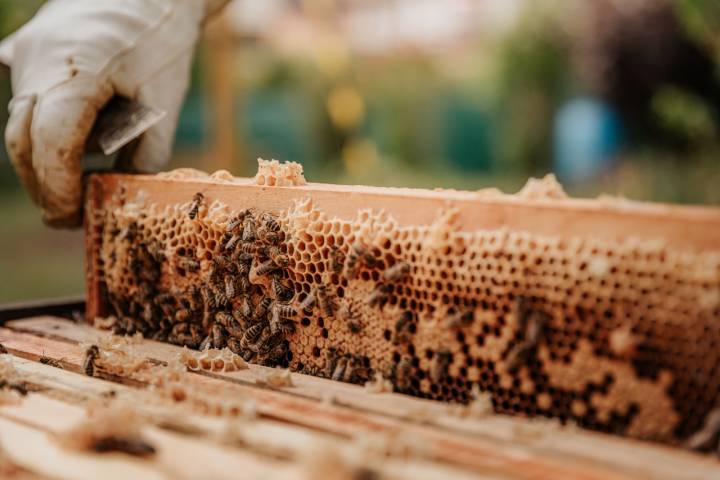
Humane Live Bee Removal & Relocation in Pittsburgh, PA
Honey bees are critical for pollination and food production. The U.S. Department of Agriculture estimates that about three-fourths of the world’s flowering plants and roughly one-third of food crops depend on animal pollinators like bees to reproduce (U.S. Department of Agriculture, 2020).
A global analysis published in Proceedings of the Royal Society B found that the western honey bee (Apis mellifera) is often the most frequent floral visitor in natural habitats, underscoring its outsized role among pollinators (Hung et al., 2018). For that reason, Bee Safe focuses on live bee relocation whenever it’s reasonably possible, rather than extermination.
What “live bee removal” means for you
-
Inspection & location of the hive
A beekeeper identifies where bees are entering—eaves, soffits, brick gaps, siding, roofs, trees, sheds, or block walls. -
Safe access to the hive
If necessary, they carefully open building materials (such as a small section of soffit or wall) to reach the colony, minimizing cosmetic damage. -
Gentle bee vacuum & hive transfer
Using specialized vacuums and hive boxes, bees are collected safely and transferred to a managed apiary or partner beekeeper where they can continue pollinating. -
Comb removal & clean-up
Old honeycomb, wax, and honey are removed to prevent odors, staining, pests, and re-infestation. -
Repairs & sealing
Access holes are sealed and potential entry points are closed to help ensure the bees don’t return.
If you specifically care about saving bees, ask about live bee relocation when you call—this is one of Bee Safe’s core specialties.
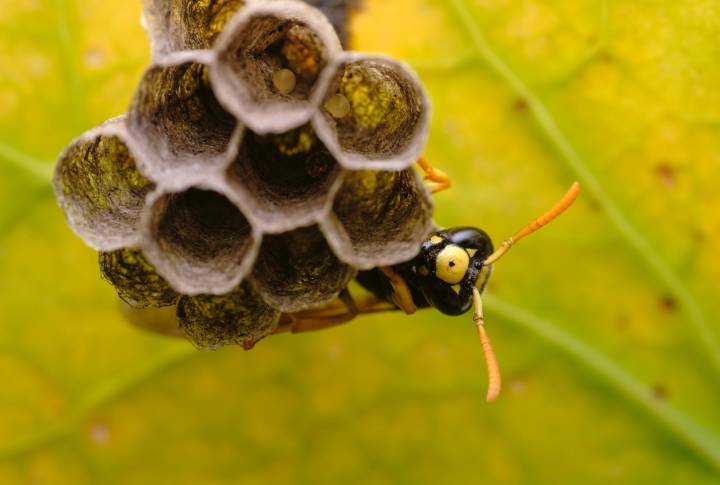
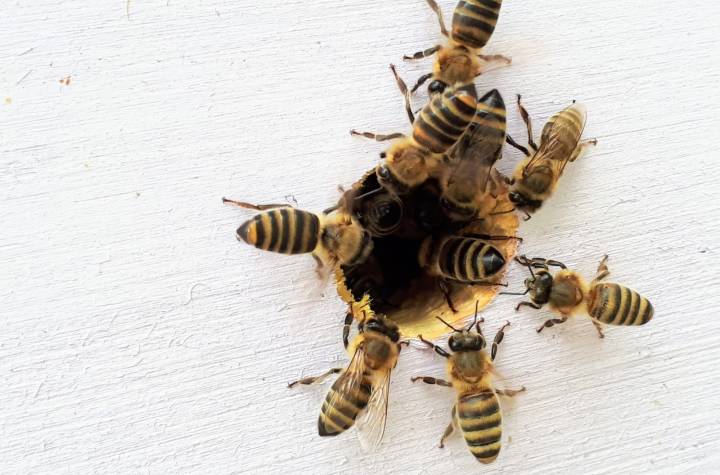
Wasp & Hornet Nest Removal in the Pittsburgh Area
Not all stinging insects are bees. In Pittsburgh, it’s common to see:
- Paper wasp nests under eaves, decks, and porch ceilings
- Yellow jacket nests in the ground, wall voids, or landscaping
- Occasional hornet nests in trees, shrubs, or structure overhangs
These insects tend to be more aggressive defenders of their nests than honey bees. According to U.S. mortality statistics analyzed by the Centers for Disease Control and Prevention, hornet, wasp, and bee stings caused an average of about 72 deaths per year nationwide between 2011 and 2021 (Xu, 2023). That’s why DIY wasp nest removal is risky—particularly for children, older adults, and anyone with allergies.
Bee Safe can help with:
- Identification of bees vs. wasps vs. hornets
- Safe removal of visible nests
- Locating hidden nests in walls, attics, and crawl spaces
- Preventive recommendations to reduce future nesting
If you’re seeing paper wasps or yellow jackets around your Pittsburgh home, ask about their wasp removal services when you call.
How Fast Can You Get Bee Removal in Pittsburgh?
Bee Safe often provides fast response for active hives and wasp nests. In many service areas, they can complete bee removal within about 48 hours and sometimes even offer same-day service, depending on availability and scheduling.
For the Pittsburgh area, when you call (215) 434-6725, a specialist will:
- Ask a few quick questions about what you’re seeing (or hearing)
- Review your ZIP code and location
- Confirm service availability and timing
- Provide a free estimate before any work begins
Bee Removal for Homes, Businesses & Properties Around Pittsburgh
Whether you’re in the city or nearby suburbs, Bee Safe can often help with:
- Single-family homes & townhomes
- Apartment and condo buildings
- Restaurants, bars, breweries, and cafes with outdoor patios
- Warehouses, industrial buildings, and loading docks
- Churches, schools, and community centers
Typical problem spots in the Pittsburgh area include:
- Older brick homes with gaps and voids
- Steep roofs and dormers where bees enter at the roofline
- Decks and porches with concealed cavities
- Garages, barns, and sheds that provide sheltered, dark spaces
Education-First, Eco-Friendly Approach
Bee Safe doesn’t just remove hives and leave. Their educational content emphasizes:
- Why bees are essential for pollination and crop production
- Why extermination can be harmful to ecosystems
- How professional removal protects both people and pollinators
A United Nations Food and Agriculture Organization report highlights that roughly three out of four leading food crops grown for fruits or seeds depend, at least in part, on pollinators (Food and Agriculture Organization, 2018). Protecting bees is therefore directly tied to long-term food security and biodiversity.
You can dive deeper into bee behavior, DIY safety warnings, and pollinator conservation on their blog, which covers topics such as why bees are important and reasons to choose bee removal over extermination.
To see what other customers across the U.S. are saying, take a look at the company’s reviews and testimonials.
Simple Step-by-Step Process
-
Call or Request a Quote
Call (215) 434-6725 or reach out through the contact page with your Pittsburgh-area address and photos if possible. -
Get a Free Estimate
A beekeeper or scheduler will review the situation (location of bees, structure type, height, and accessibility) and provide a transparent estimate. -
Schedule Your Service
Based on your urgency and their availability, they’ll schedule service—often same-day or within 48 hours for active hives or aggressive wasp nests. -
Professional Removal & Clean-Up
The technician arrives with protective gear and specialized equipment, performs the removal, cleans up honeycomb and debris, and discusses next-step repairs if needed. -
Long-Term Prevention Guidance
You’ll get practical tips to reduce future issues, such as sealing gaps, trimming vegetation, and monitoring for scout bees in spring.