Finding bees pouring into a gap in your roofline or discovering a wasp nest beside an entrance can turn an ordinary day into a safety concern fast. Bee Safe Bee Removal provides professional bee and wasp removal in Camden, New Jersey, with an emphasis on protecting people, property, and beneficial pollinators.
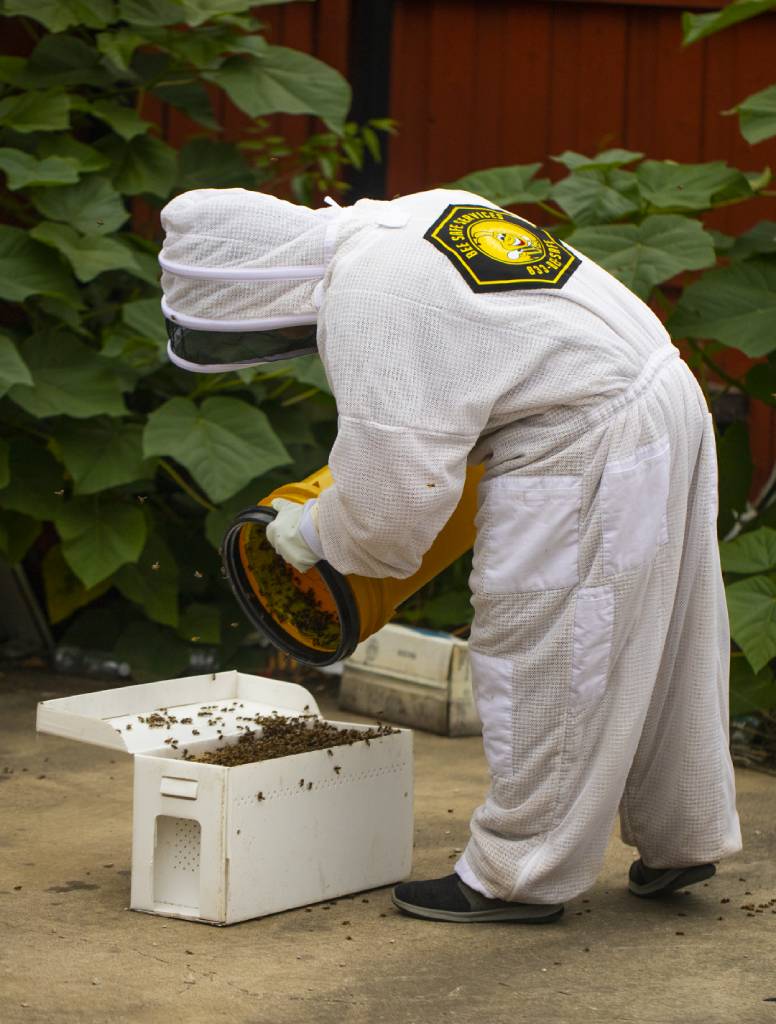
When honey bees are involved, our priority is safe, live bee removal and relocation—not unnecessary extermination. Bee Safe uses professional removal equipment such as bee vacuums and hive boxes to capture colonies, remove honeycomb, and relocate bees to an apiary or another suitable beekeeper whenever possible.
If you need help with bees, wasps, yellow jackets, hornets, or carpenter bees in Camden, call (856) 421-6299 or visit our Camden bee and wasp removal page.
Humane Bee Removal in Camden, New Jersey
A honey bee colony inside a wall, soffit, roof cavity, chimney, porch, shed, or other structure requires more than simply making the flying bees disappear.
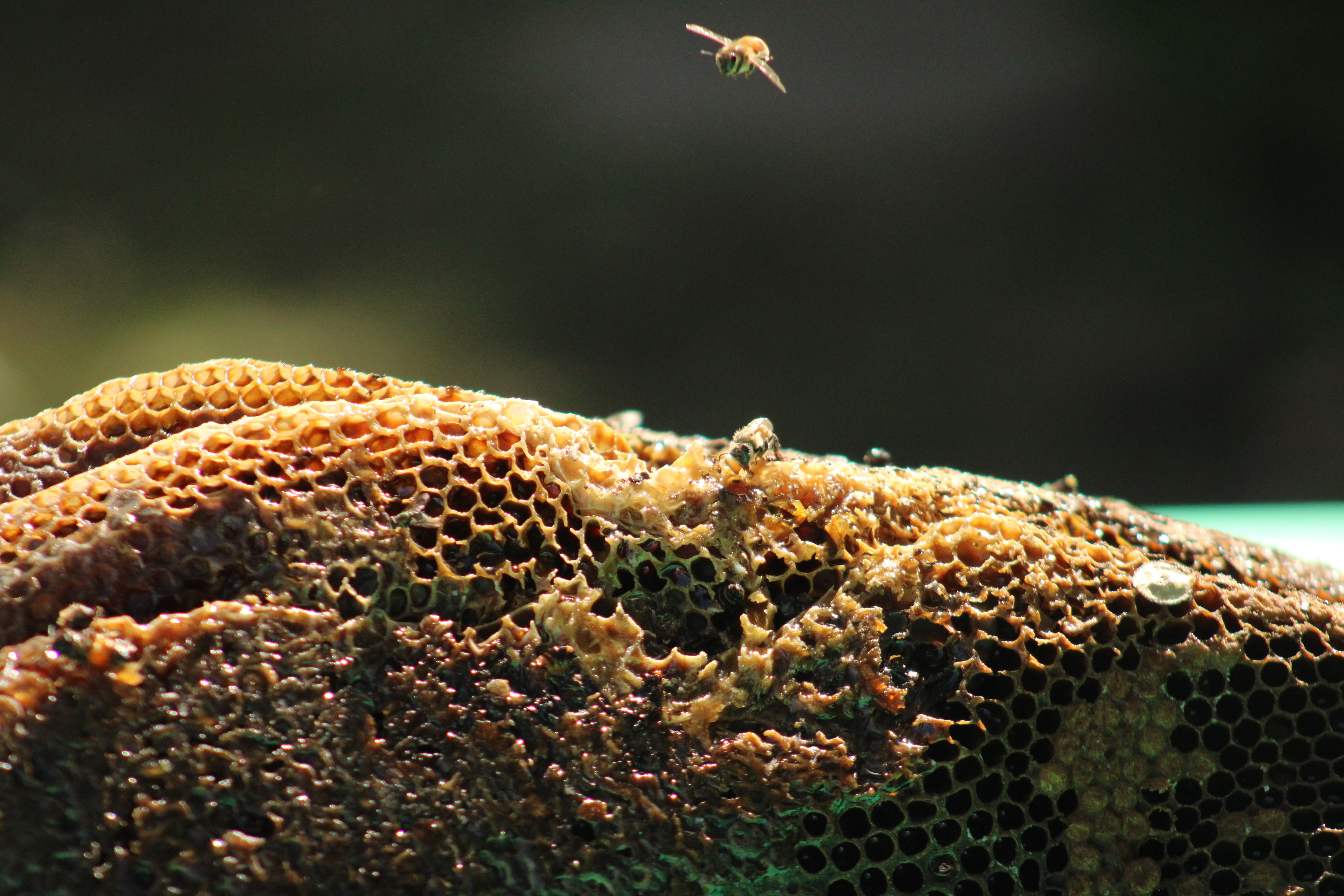
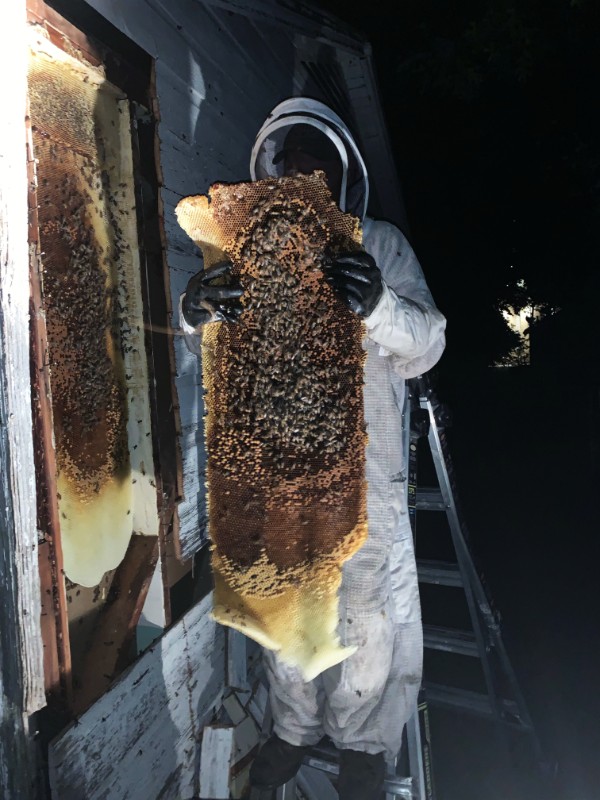
Effective professional bee removal addresses the colony and the hive materials behind it. Bee Safe's removal process may include gaining access to the hive when necessary, capturing and relocating the bees, removing honeycomb, addressing residual hive odors or pheromonal cues, and completing contracted repairs when structural access is required.
That distinction matters because leaving honeycomb inside a structure can create additional property problems even after the adult bees are gone. Complete hive removal is generally more thorough than a spray-only approach.
Live Honey Bee Relocation
Honey bees are treated differently from aggressive stinging insects.
Instead of approaching a honey bee colony as something that simply needs to be killed, Bee Safe focuses on capturing and relocating viable colonies. The goal is to move rescued colonies to a safer setting whenever conditions make relocation possible.
That approach reflects the ecological importance of pollinators. Ollerton, Winfree, and Tarrant (2011) estimated that approximately 87.5% of flowering plant species worldwide are animal-pollinated, demonstrating how deeply plant reproduction is connected to insects and other pollinating animals.
New Jersey residents can also learn more about the importance of protecting local pollinators through Rutgers New Jersey Agricultural Experiment Station, which provides educational resources about pollinators and their role in gardens, biodiversity, and agriculture.
Wasp Nest Removal in Camden, NJ
Wasps, yellow jackets, and similar stinging insects require a different strategy than honey bees.
Bee Safe provides professional wasp removal focused on locating the nesting site, evaluating accessibility, and selecting an appropriate removal or treatment method.
Common nest locations around homes and businesses may include:
- Roof eaves and soffits.
- Porch ceilings.
- Sheds and garages.
- Trees and shrubs.
- Wall openings.
- Fence lines.
- Decks and railings.
- Areas near doors and walkways.
- Other sheltered exterior cavities.
Because disturbing an active nest can provoke defensive behavior, avoid striking, burning, flooding, or attempting to knock down a nest yourself.
Yellow Jacket and Hornet Removal
A nest located near an entrance, playground, patio, sidewalk, workplace, or frequently used yard area can create repeated opportunities for human contact.
Bee Safe handles multiple types of stinging insects, including yellow jackets and wasps, and provides yellow jacket removal information as part of its broader stinging-insect services.
If you are unsure whether you have honey bees, yellow jackets, paper wasps, hornets, or another species, photographs taken from a safe distance can help with initial identification.
Carpenter Bee Control in Camden
Large bees repeatedly hovering around porch rails, fascia boards, exposed beams, fences, or other wood may be carpenter bees rather than honey bees.
Unlike honey bees, carpenter bees do not create a traditional honeycomb colony. They excavate nesting galleries in wood. Carpenter bee activity is often associated with wooden areas around homes and properties, especially when characteristic round holes or recurring seasonal activity are present.
Our carpenter bee information and control resources can help Camden property owners distinguish carpenter bee activity from other bee species.
Professional evaluation can be especially useful when activity returns to the same porch, trim, fascia, deck, or exposed wooden feature season after season.
Why Bee Conservation Matters Even in an Urban Community
Pollinators are not limited to farms or rural landscapes.
Research by Theodorou et al. (2020) found that flower-rich urban environments in their study supported high Hymenoptera diversity and bee visitation, with urban green-space configuration contributing to pollination activity. The authors emphasized that well-managed urban environments can contribute meaningfully to pollinator conservation.
That makes humane removal especially relevant in urban communities such as Camden. When a honey bee colony chooses the wrong location—inside someone's home, roof, wall, or business—the goal does not have to be choosing between human safety and bee survival.
Professional relocation offers a way to address both.
Our Bee Removal Process in Camden
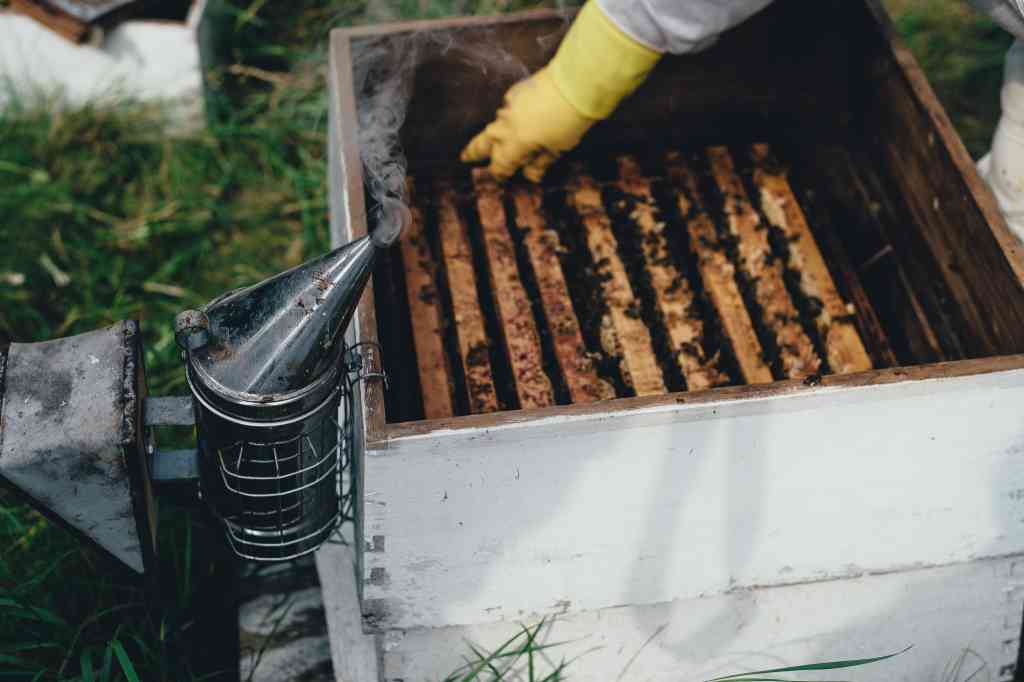
Every infestation is different, but professional removal generally begins by identifying what insect is present and where the colony or nest is located.
- Tell Us What You're Seeing
Call (856) 421-6299 or visit our dedicated bee and wasp removal page for Camden, NJ.
Provide details about the bee or wasp activity, including where you see insects entering or exiting and whether the nest or hive is visible.
- Send Photos When Possible
Photos of the insects, nest entrance, roofline, wall opening, tree, or other affected area may help determine what equipment and type of service are likely to be required.
- Inspect and Locate the Colony or Nest
The technician determines whether the problem involves honey bees, wasps, yellow jackets, carpenter bees, hornets, or another stinging insect and evaluates how accessible the colony is.
- Remove the Bees or Treat the Wasp Nest
For honey bees, the objective is safe capture and relocation whenever possible.
For wasps and other aggressive stinging insects, the strategy focuses on controlling the active nest and reducing the immediate safety hazard.
- Remove Honeycomb When Necessary
Structural honey bee colonies require particular attention because removing adult bees without addressing the comb can leave honey and other hive material behind.
Complete bee removal may therefore include removing honeycomb from the affected cavity.
- Repair and Prevention Options
When access requires opening part of a structure, repair work may be appropriate depending on the agreed scope of service. Entry-point sealing and other preventive measures can also reduce the likelihood of insects reusing vulnerable spaces.
Bee and Wasp Removal Cost in Camden, NJ
Professional bee removal costs vary because removing a visible swarm from an accessible location is very different from extracting an established hive deep inside a wall or roof.
For many projects, pricing may begin around $199 and range to $999 or more, depending on the work required. Complicated structural removals can exceed that range.
What Affects the Price?
Important cost factors can include:
- Whether you have bees, wasps, yellow jackets, hornets, or another species.
- Nest or hive accessibility.
- Height above the ground.
- Whether the colony is exposed or inside a structure.
- Whether siding, soffit, roofing, drywall, or another surface must be opened.
- Amount of honeycomb that must be removed.
- Repair or sealing requirements.
- Number of separate colonies or nests.
- Equipment and labor required for safe access.
Choosing the lowest-cost spray-only option is not always the least expensive solution over time. With an established honey bee colony, a complete removal that addresses both bees and comb can help reduce the risk of problems caused by leaving hive material behind.